Cap Formentor auf Google Maps: https://goo.gl/maps/2C0Xb /
Foto: © Helmut Minten / Alle Rechte vorbehalten / Aus dem Fotowettbewerb Mallorca – Foto des Jahres 2013 /

Cap Formentor auf Google Maps: https://goo.gl/maps/2C0Xb /
Foto: © Helmut Minten / Alle Rechte vorbehalten / Aus dem Fotowettbewerb Mallorca – Foto des Jahres 2013 /

Palmanova auf Google Maps: https://goo.gl/maps/3tMAoyPYnLn /
© holbox / Shutterstock.com

Castell de Capdepera auf Google Maps: https://goo.gl/maps/UqRy6 /
© holbox / Shutterstock.com
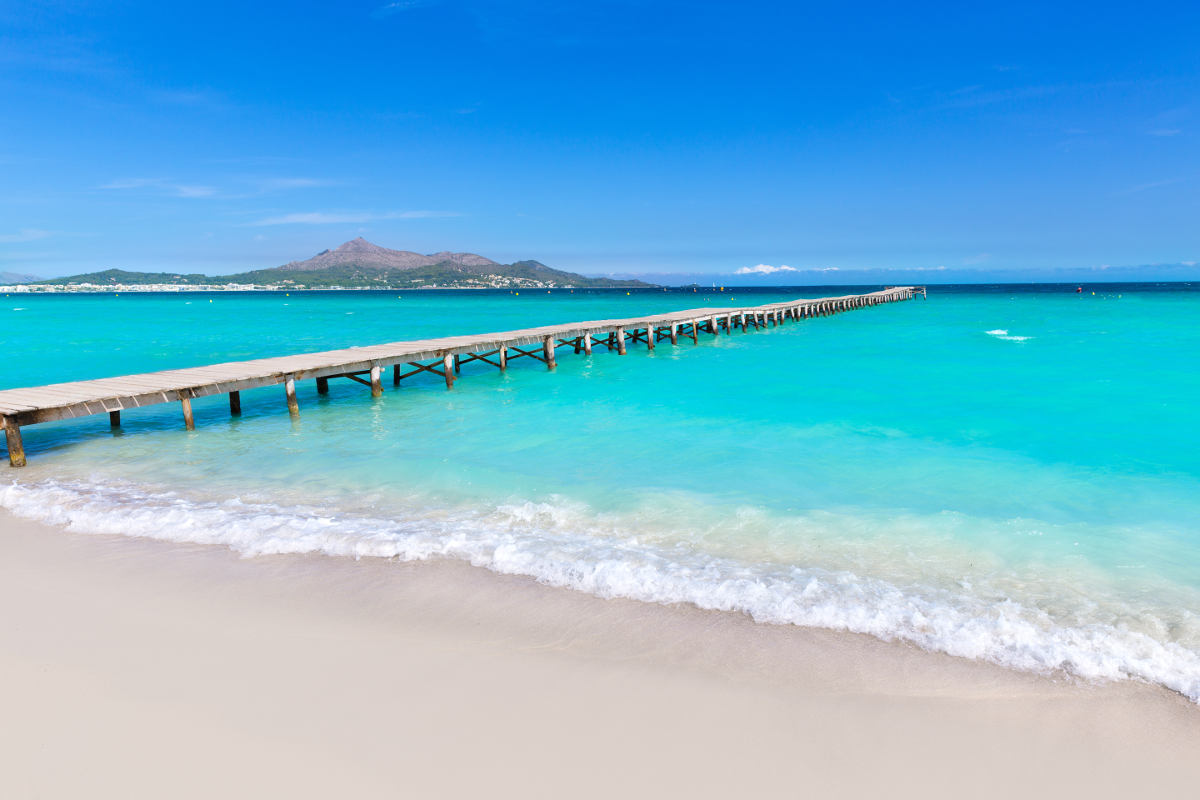
Playa de Muro auf Google Maps: https://goo.gl/maps/2n7cm /
© holbox / Shutterstock.com

Cala Vinyes auf Google Maps: https://goo.gl/maps/HAkRqrGK24T2 /
© holbox / Shutterstock.com

Bucht von Alcúdia auf Google Maps: https://goo.gl/maps/W3QJQ /
© holbox / Shutterstock.com

Kathedrale La Seu auf Google Maps: https://goo.gl/maps/4XWWm /
© holbox / Shutterstock.com
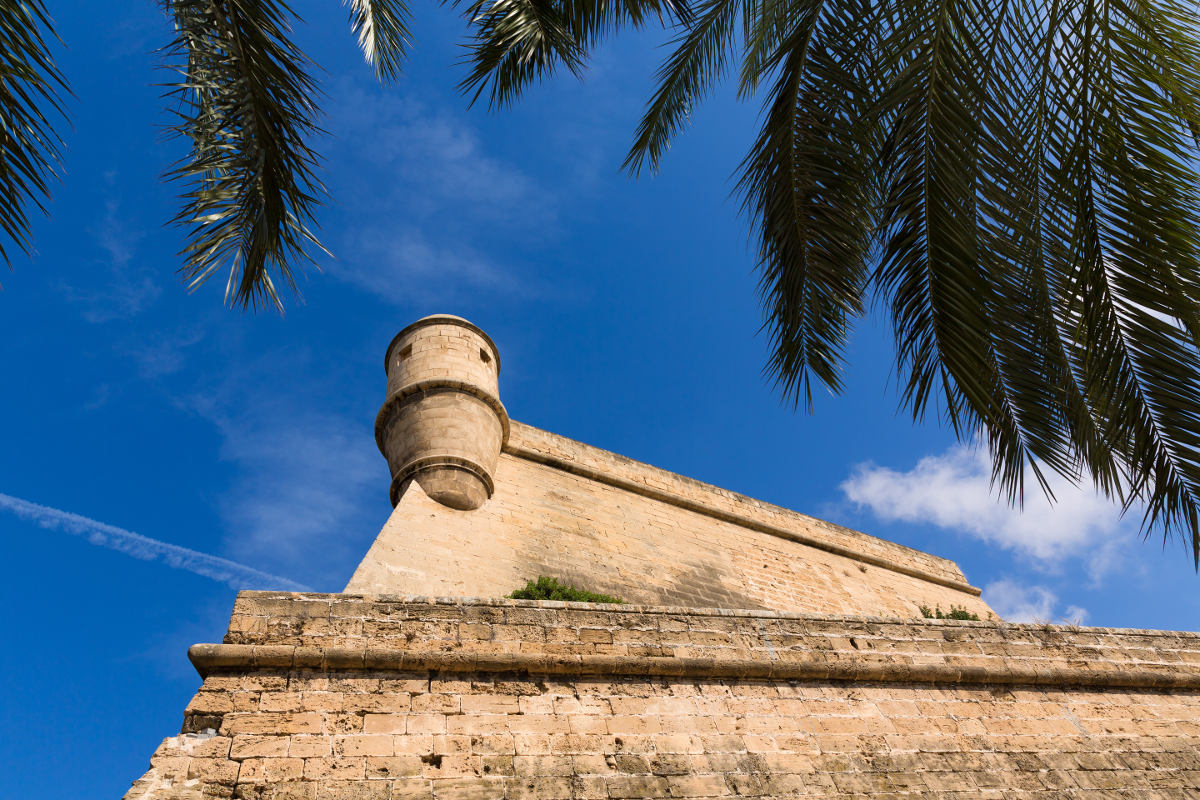
Palma auf Google Maps: https://goo.gl/maps/K08ny /
© holbox/ Shutterstock.com
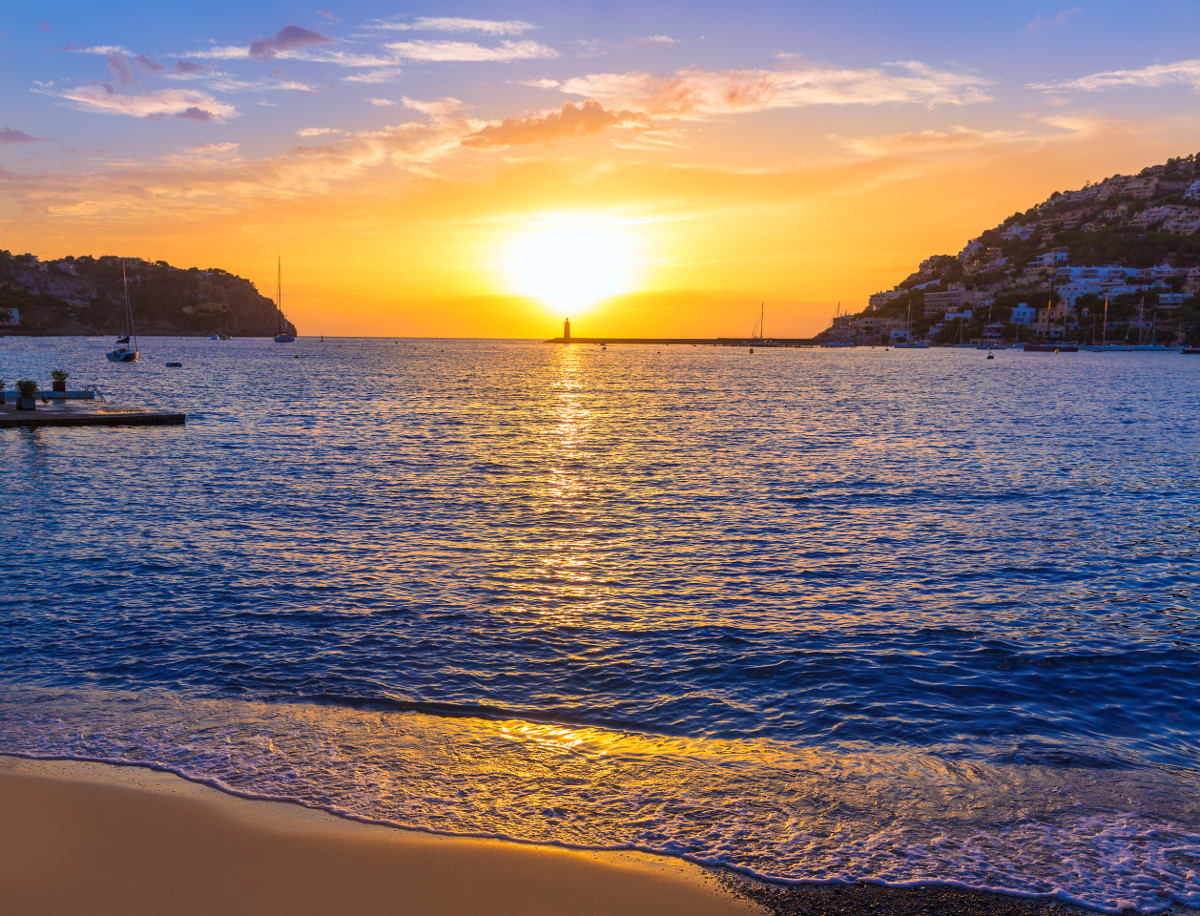
Port d’Andratx auf Google Maps: https://goo.gl/maps/Lok3p /
© holbox / Shutterstock.com

Auf Mallorca wächst und gedeiht das Gemüse fleißig weiter und versorgt uns mit Vitaminen und vor allem dem vollen Geschmack.
Auch wenn der Herbst langsam Einzug hält: das Gemüse hat noch den Sommergeschmack parat.
Mit den knackigen Leckereien lassen sich wunderbare Salate zaubern, zB. ein mallorquinischer „Trampó“-Salat und für die ersten kälteren Tage tolle Eintöpfe – so gut kann Gesund schmecken!
Eine feine Tapas-Nascherei sind auch die kleinen grünen „Pimientos de Padron“: einfach mit Olivenöl angebraten und mit Meersalz bestreut, schmecken Sie mit weniger nach mehr! Aber Vorsicht: um diese Jahreszeit kann die ein oder andere scharfe darunter versteckt sein, da lässt sich die Natur nicht in die Karten schauen! Frisches Gemüse aus Mallorca liefert Fet a Sóller bis an die Haustür.
Obst und Gemüse aus der Markthalle Mallorcas bei Fet a Sóller online bestellen…